
Wisdom Teeth Removal in Flint, MI
Remove problematic wisdom teeth safely so you can heal quickly and get back to feeling like yourself.
What is Wisdom Teeth Removal?
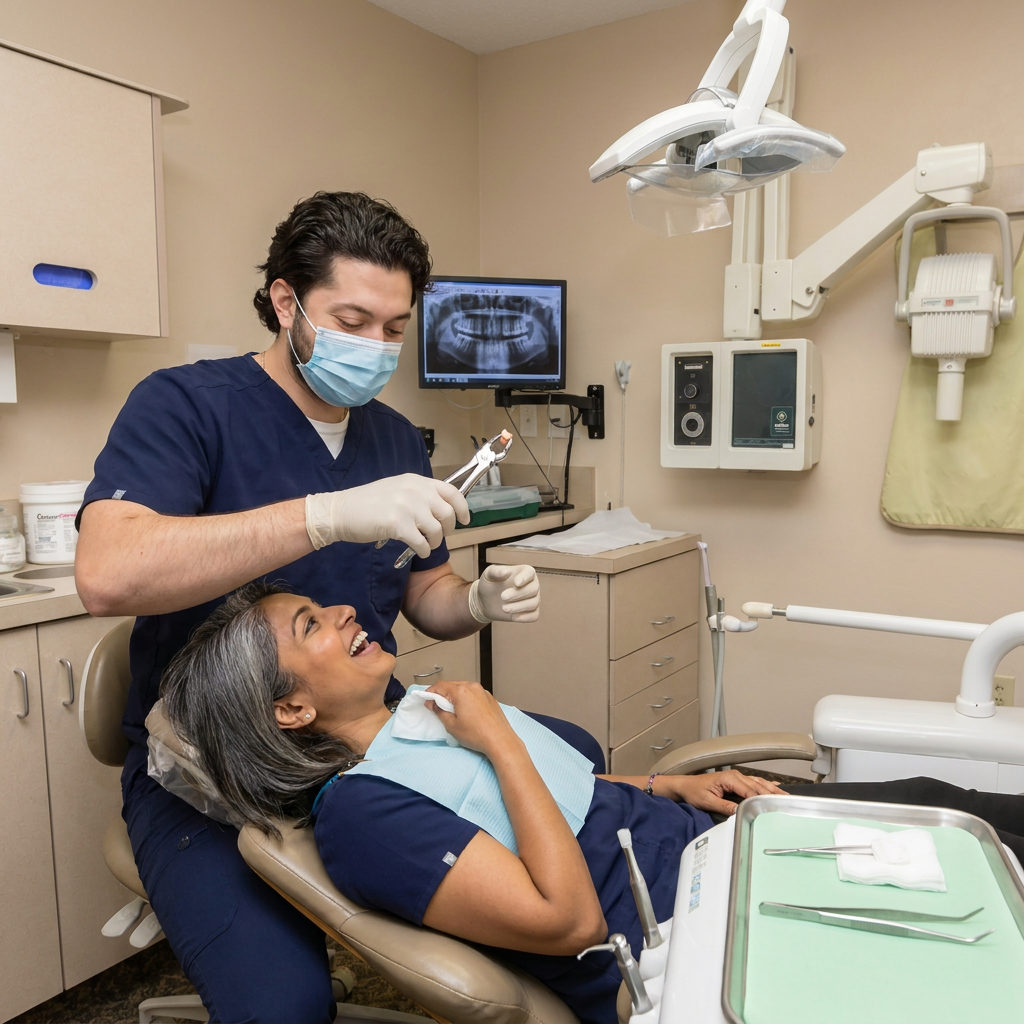
Wisdom teeth are the third molars at the back of each arch. Most people have four, one in each corner, and they typically try to emerge in the late teens or early twenties. The problem is that most jaws don't have room for them. When there isn't space, the wisdom tooth gets stuck (impacted) and pushes against the molar in front of it. That pressure can damage the neighboring tooth, trap food and bacteria in hard-to-clean pockets, and eventually cause an infection or cyst.
At C. Patrick Gray, DDS. in Flint, MI, we monitor wisdom teeth development through routine X-rays and recommend removal when the risk of keeping them outweighs the procedure. Most removals take under an hour. Straightforward erupted teeth come out much like any extraction, while impacted teeth require a small incision and sometimes sectioning the tooth before removal. Recovery is typically a few days, and most patients manage well with over-the-counter pain relief and a soft diet.
Benefits of Wisdom Teeth Removal
Removing wisdom teeth before they cause trouble protects the teeth you already have and saves you from bigger problems down the road.

Protect Your Other Teeth
Crowded wisdom teeth push against your molars, shifting alignment and creating tight spots where bacteria collect. Removing them early protects the teeth you already have in place.

Heal Faster While Young
Younger patients have softer bone and shorter roots, so the area closes up quickly after removal. Waiting longer means a more involved procedure and a slower overall recovery time.
Stop Recurring Gum Pain
Partially erupted wisdom teeth trap food under a flap of gum tissue, leading to repeated infections. Once the tooth is out, that pocket closes and the cycle of pain stops for good.



Protect Your Other Teeth
Crowded wisdom teeth push against your molars, shifting alignment and creating tight spots where bacteria collect. Removing them early protects the teeth you already have in place.
Heal Faster While Young
Younger patients have softer bone and shorter roots, so the area closes up quickly after removal. Waiting longer means a more involved procedure and a slower overall recovery time.

Stop Recurring Gum Pain
Partially erupted wisdom teeth trap food under a flap of gum tissue, leading to repeated infections. Once the tooth is out, that pocket closes and the cycle of pain stops for good.

When Wisdom Teeth Become a Problem
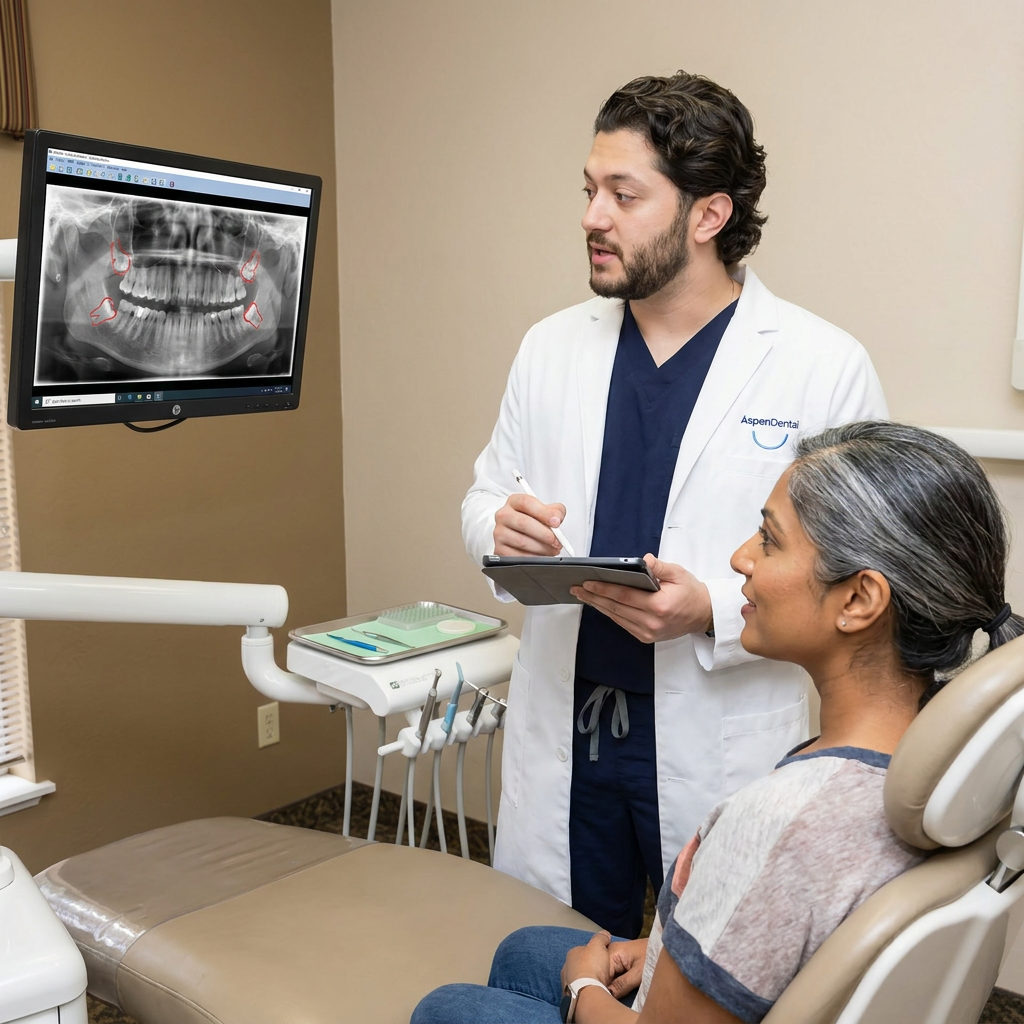
Most people need their wisdom teeth removed because there isn't enough room in the jaw for them to come in properly. If your X-rays show an impacted third molar, one that's blocked from fully erupting by bone or a neighboring tooth, removal prevents the pressure, crowding, and infection that tend to follow. We also remove wisdom teeth that are partially erupted, since those create a flap of gum tissue that's difficult to keep clean and prone to repeated infections. Patients who need sedation during the procedure can arrange that in advance.
Some adults have wisdom teeth that erupted fully and cause no problems at all. In those cases, we monitor rather than remove. But if your third molars are shifting your bite, causing pain, or creating crowding in the front teeth, we discuss removal as the more practical long-term choice. Age matters less than position, and many patients in their 30s and 40s come to us to finally address wisdom teeth they've been putting off.
Advanced Wisdom Teeth Removal Technology

Cone beam CT imaging gives us a 3D picture of each wisdom tooth's position relative to the surrounding nerves, sinuses, and neighboring roots. Standard X-rays show a flat view; the 3D scan shows depth, angulation, and root curvature in ways that change how we plan the removal. That level of detail is especially valuable for deeply impacted lower wisdom teeth near the inferior alveolar nerve.
For patients who need sedation during the procedure, we monitor vitals throughout with pulse oximetry and blood pressure cuffs. The combination of a precise surgical plan from 3D imaging and sedation for comfort means we can handle complex wisdom tooth cases at our Flint, MI office without a separate specialist referral in most situations.
What to Expect During Your Visit
We start by reviewing your X-rays and discussing your options at a consultation appointment. Once the removal is scheduled, we numb the area thoroughly on the day of your procedure. Most straightforward removals take 20 to 45 minutes. Impacted teeth take a bit longer since we sometimes need to section the tooth to remove it safely.
Expect some swelling and mild soreness for two to three days. An ice pack and over-the-counter pain relief handle most of the discomfort. Soft foods for the first few days, keeping the extraction site clean with gentle rinsing, and avoiding straws are the main things to remember. We schedule a follow-up visit to confirm the site is healing cleanly and answer any questions that come up during recovery.
Before Appointment
Arrange a ride home before your appointment, since you won't be able to drive safely after sedation for wisdom teeth removal.
Skip aspirin or ibuprofen for at least 48 hours beforehand, as these can increase bleeding at the extraction sites.
Wear a short-sleeved shirt so we can place a blood pressure cuff and monitor you comfortably during the procedure.
After Appointment
Rinse gently with warm salt water starting 24 hours after surgery, about four times a day, to keep the extraction sites clean.
Skip straws, spitting, and smoking for at least 72 hours so you don't dislodge the blood clots protecting your sockets.
Hold off on brushing near the surgical sites for the first two days, then ease back in with a soft-bristle brush and light pressure.
Frequently Asked Questions
We’ve answered the most frequently asked questions to help you feel informed, prepared, and confident before your appointment.
At what age should wisdom teeth removal be considered?
+We typically evaluate wisdom teeth between ages 16 and 20, when roots are still forming and removal tends to be smoother. Younger patients usually heal faster, but we remove wisdom teeth in adults of all ages when problems develop.
What can happen if I leave my wisdom teeth in too long?
+Impacted wisdom teeth can push against neighboring molars and cause crowding, decay, or cysts in the jawbone. Even wisdom teeth that look fine on the surface sometimes develop infections below the gumline that only show up on an x-ray.
How soon after wisdom teeth removal can I go back to work or school?
+Most people return within two to three days. Desk jobs and classes are usually fine by day two. If your work involves heavy lifting or bending, we may suggest waiting four to five days so the healing sites stay undisturbed.
Can wisdom teeth removal affect my other teeth shifting later?
+Removing impacted wisdom teeth eliminates the pressure they put on your second molars, which helps protect the alignment you already have. If you've had clear aligners or braces, getting them out early can help preserve those results.
Is wisdom teeth removal safe if I have a medical condition like diabetes?
+Yes, we routinely treat patients with diabetes, heart conditions, and other health concerns. We review your full medical history beforehand and coordinate with your physician if needed so your healing plan accounts for any specific needs.

What Our Patients Say
Hear from real patients about their experience at C. Patrick Gray, DDS.
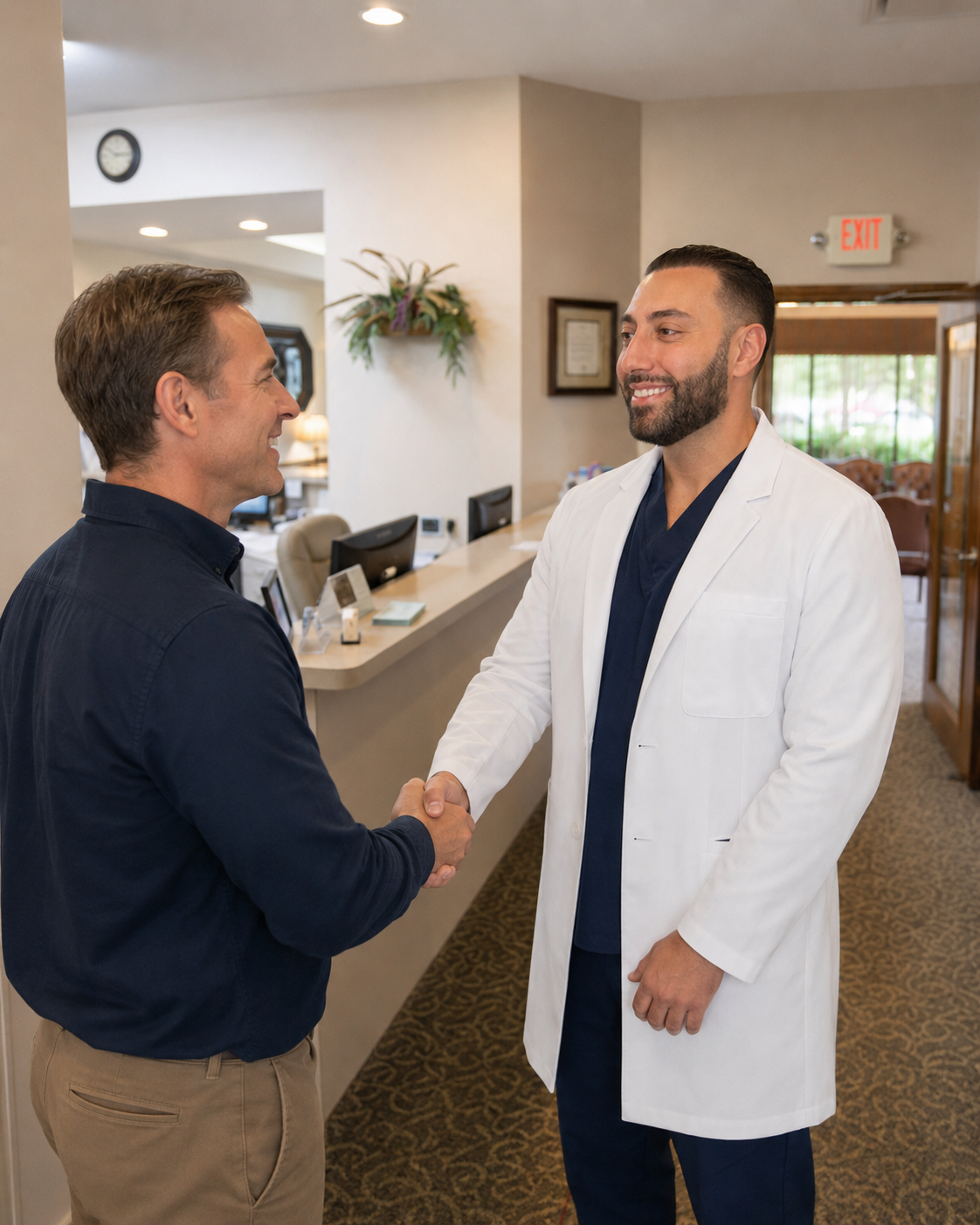
This office genuinely cares about their patients. I came in anxious and left feeling completely at ease. Everyone from the front desk to the hygienist to Dr. Kroni was warm, professional, and thorough. The office is clean and modern and I never felt like I was being rushed or oversold on anything. Five stars without hesitation.
Crystal H.
Had my wisdom teeth removed here and honestly it was way less stressful than I expected. The team checked in on me throughout the whole procedure and made sure I was comfortable before they started. Dr. Khaddor was calm and efficient and recovery was smooth. Really glad I chose C. Patrick Gray, DDS.
Kayla S.
C. Patrick Gray, DDS. was the first dentist office I have been to that actually took the time to listen. I have always been anxious about dental work and Dr. Kroni was so patient with me every step of the way. He saved two teeth other dentists told me to pull. I walked out with my confidence back. Cannot recommend them enough.
Melissa P.
I love that I can get everything done in one place. Had a cleaning, a filling, and a whitening consultation all within a few weeks without being shuffled around. Dr. Khaddor is genuinely one of the best dentists I have ever had. The whole team is warm and the office feels really welcoming.
Simone R.
I have been coming to C. Patrick Gray, DDS. for two years now and the consistency is what keeps me coming back. Same friendly faces, same thorough exams, and they always remember details from my last visit. Dr. Kroni is professional, knowledgeable, and never makes me feel rushed. Great practice.
Joshua A.
Switched to C. Patrick Gray, DDS. after moving to the Flint area and I am so glad I did. They went over my insurance up front so there were no surprises, and Dr. Kroni took the time to actually listen to my concerns instead of rushing through. Highly recommend if you are looking for a dentist who treats you like a person.
Sarah F.
Brought my two kids in for their first cleanings and the staff was wonderful with both of them. They explained each step so the kids knew what was coming and made the whole thing feel like a fun trip rather than a dental appointment. The office is clean, easy to find on Beecher Rd, and we always get in right on time.
Hubert H.
I had been putting off a crown for months because I was nervous. Dr. Khaddor took the time to explain everything before we started and made sure I was comfortable the entire time. The result looks completely natural and I have had zero issues since. I appreciate how honest the team is about what you actually need.
Jill J.
Dr. Kroni and Dr. Khaddor make every visit feel easy. They walked me through my treatment options without any pressure and answered every question I had. The whole team is friendly and the office runs on time. My family has been coming here for years and we would not go anywhere else.
Aaron D.
Stay Informed with Expert Insights & Tips About Dental Care

No Blog Posts Yet
We're working on new articles to help you care for your smile.
Check back soon for updates from C. Patrick Gray, DDS.
Schedule Your Appointment
Ready to take the next step? Contact C. Patrick Gray, DDS. in Flint to book your visit.
-
When You Can Visit
Monday: 8:00 AM – 5:00 PM
Tuesday: 8:00 AM – 5:00 PM
Wednesday: 8:00 AM – 5:00 PM
Thursday: 8:00 AM – 5:00 PM
Friday: 8:00 AM – 2:00 PM
Saturday: Closed
Sunday: Closed
- (810) 732-0200
Speak With Our Team
- G3222 Beecher Rd, Flint, MI 48532
Find Us Here

Thank you for booking your appointment!
We've received your request and will contact you soon to confirm the details. We look forward to seeing you at C. Patrick Gray, DDS.