
Back to Blogs

Dental Emergency: What to Do First

Identify, act on, and prevent dental emergencies with expert guidance, ensuring timely care for your oral health.

October 12, 2026
•
5 min read
Logan sits on a bed in a sunlit room, wearing a gray robe and unwrapping a white case on a wooden nightstand next to a lamp, books, and a mug.
Back to Blogs
Logan sits on a bed in a sunlit room, wearing a gray robe and unwrapping a white case on a wooden nightstand next to a lamp, books, and a mug.

Dental Emergency: What to Do First

Identify, act on, and prevent dental emergencies with expert guidance, ensuring timely care for your oral health.

October 12, 2026
•
5 min read

Recognizing a Dental Emergency

A dental emergency can strike unexpectedly, causing pain and concern. Knowing what steps to take immediately can significantly impact the outcome, often saving a tooth or preventing further complications. Timely action helps alleviate discomfort and protects your oral health in the long term.

It’s crucial to distinguish between an urgent issue and a routine dental concern. Logan, a man in his early 40s, recently found himself in such a situation. He was enjoying a weekend hike when a sudden slip led to an unexpected fall. His primary concern was a persistent, throbbing pain in his jaw and a loose front tooth.

He wasn't sure if he needed immediate care or if he could wait until Monday. Dr. Marcel Kroni and the team at C. Patrick Gray DDS are familiar with these urgent calls. They understand the anxiety that accompanies dental trauma.

Logan sits on a wooden bench on a dirt path, holding his jaw with a pained expression, wearing a dirty olive jacket and pants, with trees and brush in the background.

How to Act During a Dental Emergency

Acting swiftly and calmly during a dental emergency is paramount to a successful resolution. The first step is always to contact your dental office for guidance, even outside of regular hours. Many practices, including C. Patrick Gray DDS, have protocols for emergency calls. This initial contact helps assess the severity and determine the next best action.

When Logan called, he spoke with the on-call staff who guided him through immediate first aid. They reassured him that Dr. Kroni would be available to see him promptly. This immediate communication significantly eased Logan's distress, allowing him to focus on the instructions. Prompt dental attention is often critical for tooth preservation.

First Steps for Common Issues

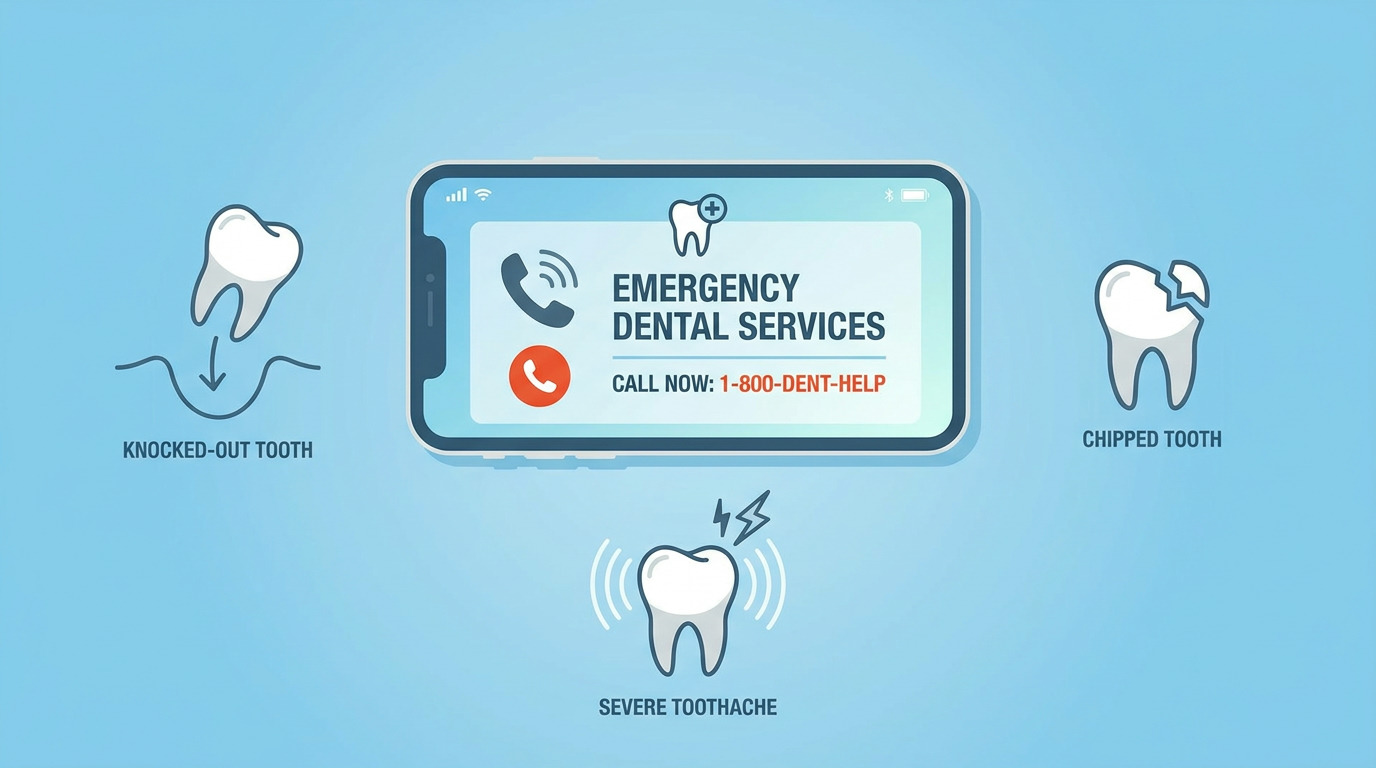
  • Knocked-out tooth: Gently pick up the tooth by the crown, avoiding the root. Rinse it lightly with water if dirty, but do not scrub. Attempt to reinsert it into the socket, or place it in milk or saline solution.
  • Chipped or broken tooth: Collect any broken pieces. Rinse your mouth with warm water. Apply a cold compress to the face to reduce swelling.
  • Severe toothache: Rinse your mouth with warm water. Gently floss around the affected tooth to remove any lodged food particles. Do not place aspirin directly on the gum.
  • Lost filling or crown: Keep the lost piece if possible. Use dental wax or sugar-free gum to temporarily cover the sensitive area. Avoid chewing on that side.
A smartphone displays emergency dental services contact information, surrounded by icons of a knocked-out tooth, a chipped tooth, and a tooth with a severe toothache.

When to Seek Immediate Dental Care

Any dental issue causing severe pain, bleeding, or structural damage to a tooth or jaw requires immediate professional attention. A dental emergency often presents with unbearable discomfort or visible trauma. Ignoring these signs can lead to more complex and costly treatments down the line. Logan's throbbing pain and loose tooth certainly qualified for urgent care.

Dr. Kroni stresses that prompt evaluation helps prevent infection and further damage. Waiting can allow minor issues to escalate into significant health concerns. Delaying treatment for even a few hours can sometimes make the difference between saving a tooth and losing it.

Signs That Warrant Immediate Care

  • Persistent severe pain: This indicates a potential deep infection or nerve damage.
  • Bleeding that won't stop: Uncontrolled oral bleeding after an injury or extraction requires immediate attention.
  • Loose or knocked-out tooth: Time is crucial for re-implantation success.
  • Swelling in the face or jaw: This can signal a serious infection or abscess.
  • Fractured jaw: Any suspected jaw fracture needs immediate medical and dental evaluation.
White text "Severe Pain?" centered on a dark blue background with a subtle gradient.

Preparing for Your Emergency Visit

Once you've contacted your dentist, preparing for your emergency visit can make the process smoother. Gather any relevant information, such as how the injury occurred and any pieces of a broken tooth. This preparation helps Dr. Marcel Kroni quickly understand the situation. Having a general idea of your medical history and current medications is also beneficial.

Logan made sure to note down exactly when and how his fall happened. He also brought the small tooth fragment he found. This information proved invaluable during his consultation with Dr. Kroni. The team at C. Patrick Gray DDS appreciates when patients are prepared.

They can focus on providing efficient and effective care. Transparency about the incident helps in forming a precise treatment plan.

Logan leans on a wooden kitchen counter, looking down at his phone, with a mug and a bowl of fruit nearby.

Need Urgent Dental Care?

If you are experiencing a dental emergency, do not hesitate to contact C. Patrick Gray DDS immediately. Our dedicated team is ready to provide the prompt and compassionate care you need. We understand that time is often of the essence, and we are here to help alleviate your pain and address your concerns. Reach out to us for immediate assistance or to schedule your next appointment.

Common Dental Emergencies Explained

Dental emergencies encompass a range of issues, from traumatic injuries to sudden, intense pain. Understanding these common scenarios can empower patients to react appropriately. Dr. Kroni often explains that recognizing the specific type of emergency guides the initial actions. Logan's situation, involving a loose tooth and jaw pain, required a comprehensive assessment.

Types of Urgent Dental Needs

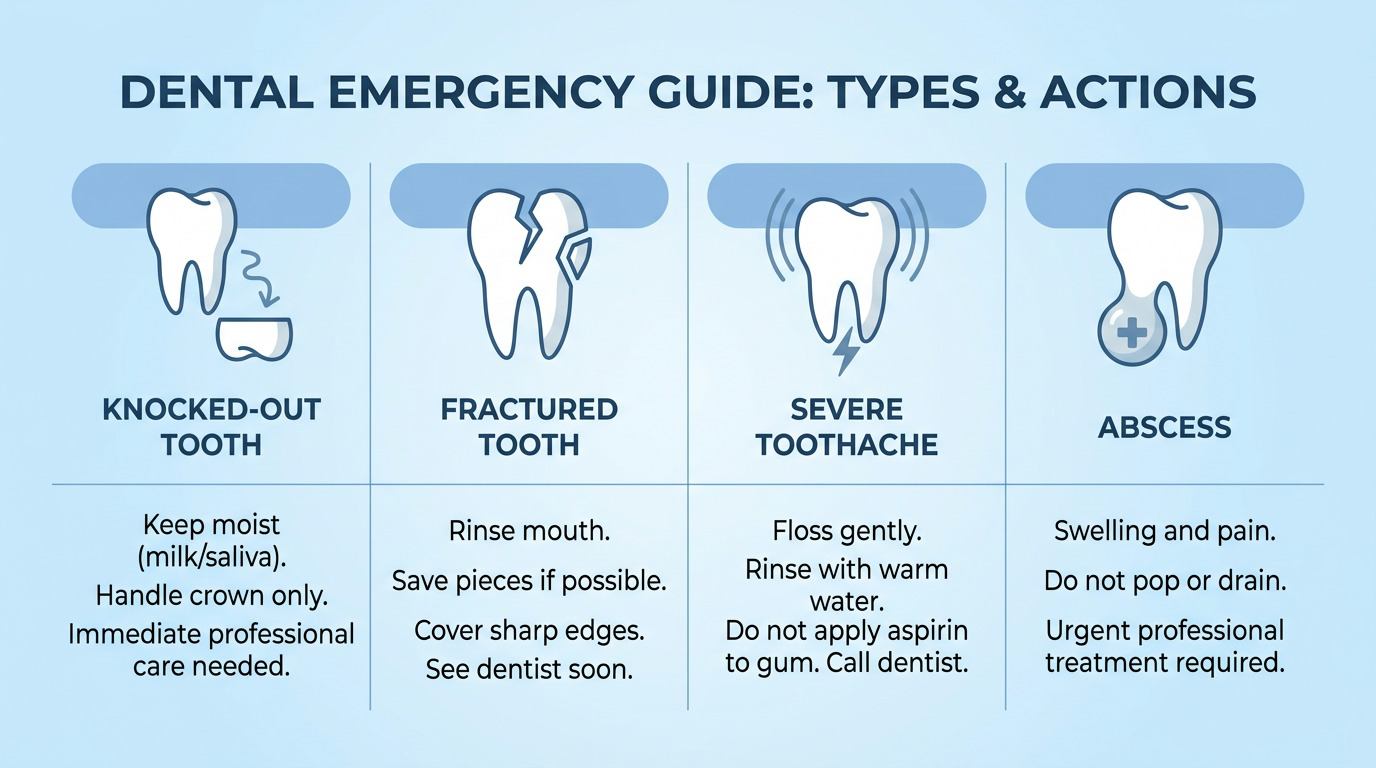
  • Knocked-Out (Avulsed) Tooth: This is one of the most time-sensitive emergencies. The faster the tooth is re-implanted, the higher the chance of saving it. Keeping the tooth moist is paramount.
  • Fractured or Chipped Tooth: Minor chips might not be an emergency, but large fractures exposing the pulp or causing pain certainly are. Dental bonding or crowns are common solutions.
  • Severe Toothache: Often indicative of deep decay or infection, a severe toothache may require root canal therapy or extraction. It rarely resolves on its own.
  • Abscess: A painful, pus-filled swelling caused by bacterial infection, an abscess requires immediate drainage and antibiotics to prevent it from spreading. This can be life-threatening if left untreated.
  • Lost Filling or Crown: While not always painful, a lost restoration leaves the tooth vulnerable to decay and sensitivity. It should be replaced promptly.
Infographic titled "Dental Emergency Guide: Types & Actions" shows icons and text for knocked-out tooth, fractured tooth, severe toothache, and abscess.

Dr. Kroni’s Emergency Care Approach

Dr. Marcel Kroni prioritizes emergency cases, understanding the urgency and discomfort involved. His approach combines efficient diagnosis with compassionate care. When Logan arrived, Dr. Kroni immediately performed a thorough examination and took necessary X-rays. This diagnostic precision is crucial for accurate treatment.

He carefully assessed Logan's loose tooth and the extent of his jaw injury. Dr. Kroni explained each step to Logan, ensuring he felt informed and comfortable throughout the process. The immediate goal is always to alleviate pain and stabilize the situation. Long-term solutions are then discussed after the immediate crisis is managed.

Sometimes, Dr. Kroni coordinates with other specialists if the injury extends beyond typical dental care, such as a severe jaw fracture. His comprehensive care ensures all aspects of a patient's health are considered.

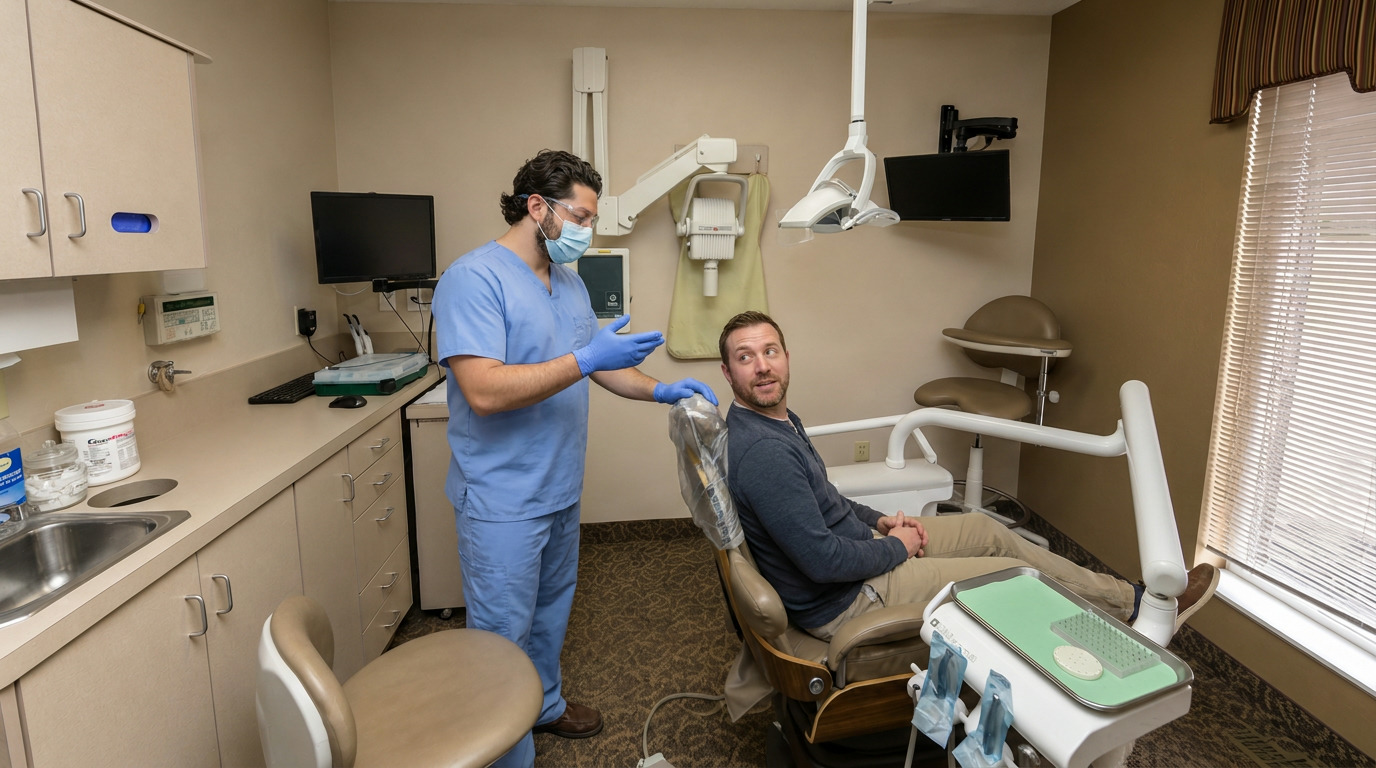
A dentist in blue scrubs and a mask talks to a patient seated in a dental chair in an examination room.

Preventing Future Dental Emergencies

While accidents are unpredictable, many dental emergencies can be prevented with proactive care. Regular dental check-ups and cleanings are foundational to maintaining oral health. Dr. Marcel Kroni emphasizes the importance of these routine visits for early detection. Logan was reminded of this during his follow-up appointment.

Wearing a mouthguard during sports or if you grind your teeth at night significantly reduces the risk of dental trauma. Dr. Kroni can custom-fit a mouthguard to provide optimal protection. This simple preventive measure can save a patient from significant pain and expense. Maintaining excellent oral hygiene at home also plays a vital role.

Key Preventive Measures

  • Routine Check-ups: Schedule regular dental exams and X-rays to catch problems early. Dr. Kroni recommends visits at least twice a year.
  • Protective Gear: Always wear a custom-fitted mouthguard during contact sports or activities with a risk of facial injury.
  • Good Oral Hygiene: Brush twice daily and floss once daily to prevent decay and gum disease, which can lead to emergencies.
  • Avoid Hard Foods: Be cautious with extremely hard candies, ice, or unpopped popcorn kernels that can crack teeth.
  • Address Issues Promptly: Do not ignore persistent sensitivity, minor pain, or loose fillings. Addressing them early prevents escalation.
A circular brushed metal sign on a beige wall displays "PREVENT. PROTECT. PERFORM." with outlines of a shield, toothbrush, and tooth.

A Proactive Approach to Oral Health

Emergencies serve as powerful reminders of our vulnerability, but they also highlight the importance of proactive care. Logan's experience, while jarring, reinforced his commitment to his oral health.

The initial fright of a potentially lost tooth transformed into a deeper appreciation for timely dental intervention. He realized that a strong relationship with his dental team, led by Dr. Marcel Kroni, provided a crucial safety net.

His loose front tooth was successfully stabilized, and his jaw pain subsided with appropriate care. This positive outcome was a direct result of his quick action and the prompt, expert attention he received. Logan now understands that dental emergencies are not just about fixing a problem, but about preserving his overall well-being. He actively schedules his preventive appointments and carefully follows Dr. Kroni’s recommendations.

The experience taught Logan the profound value of being prepared and having a trusted dental provider. It's a testament to how crucial immediate care can be when facing unexpected dental trauma. He now champions the message that maintaining regular dental visits is the best defense against future unforeseen oral health challenges.

If you are experiencing a dental emergency, do not hesitate to contact C. Patrick Gray DDS immediately. Our dedicated team is ready to provide the prompt and compassionate care you need. We understand that time is often of the essence, and we are here to help alleviate your pain and address your concerns. Reach out to us for immediate assistance or to schedule your next appointment.

Two men sit at a wooden table in a coffee shop, holding coffee cups and smiling at each other, with brick walls and large windows in the background.

Frequently Asked Questions

1. What qualifies as a dental emergency?
A dental emergency typically involves severe pain, uncontrollable bleeding, a knocked-out tooth, significant facial swelling, or an injury that affects the integrity of your teeth or jaw. Any situation causing acute discomfort or potential permanent damage requires prompt attention from a dental professional.

2. What should I do if I knock out a tooth?
If a tooth is knocked out, handle it by the crown, not the root. Gently rinse it if dirty, then try to reinsert it into its socket. If that's not possible, place it in milk, saline solution, or a moist towel and seek immediate dental care.

3. How quickly should I see a dentist for a dental emergency?
For most dental emergencies, especially a knocked-out tooth or severe pain, immediate attention within 30 minutes to an hour can significantly improve the outcome. Always call your dentist's office as soon as possible for guidance.

4. Can I go to an urgent care clinic for a dental emergency?
While an urgent care clinic can help with pain management or antibiotics for an infection, they are typically not equipped to provide comprehensive dental treatment. It's always best to contact a dental professional for direct care related to teeth and gums.

5. Is a chipped tooth always a dental emergency?
A minor chip that causes no pain or sensitivity is often not an immediate emergency, but should still be evaluated. A large chip or fracture that exposes the tooth's inner layers, causes pain, or affects eating, warrants urgent dental attention.

Schedule Your Appointment

Ready to take the next step? Contact C. Patrick Gray, DDS. in Flint to book your visit.

  • When You Can Visit

    Monday: 8:00 AM – 5:00 PM

    Tuesday: 8:00 AM – 5:00 PM

    Wednesday: 8:00 AM – 5:00 PM

    Thursday: 8:00 AM – 5:00 PM

    Friday: 8:00 AM – 2:00 PM

    Saturday: Closed

    Sunday: Closed

  • Speak With Our Team

    (810) 732-0200
  • Find Us Here

    G3222 Beecher Rd, Flint, MI 48532

Thank you for booking your appointment!

We've received your request and will contact you soon to confirm the details. We look forward to seeing you at C. Patrick Gray, DDS.

Oops! Something went wrong while submitting the form.

Stay Informed with Expert Insights & Tips About Dental Care

10.12.2026

Dental Emergency: What to Do First

Logan sits on a bed in a sunlit room, wearing a gray robe and unwrapping a white case on a wooden nightstand next to a lamp, books, and a mug.
10.12.2026

Identify, act on, and prevent dental emergencies with expert guidance, ensuring timely care for your oral health.

9.2.2026

Dental Exam X-Ray Insurance Coverage Explained

Logan sits at a wooden desk, wearing a navy sweater, holding a phone to his ear with a concerned expression while looking at a laptop displaying a "Dental Insurance Policy" document. A coffee mug, papers, and pens are also on the desk.
9.2.2026

Understanding dental X-ray insurance coverage, including types, frequency, and factors affecting benefits, empowers patients to make informed decisions for their oral health.

9.2.2026

Spotting the Signs You Need a Dental Cleaning by C. Patrick Gray DDS

Maya stands at a kitchen sink, filling a silver water bottle from the faucet, with potted plants on the windowsill behind her. A blue floss pick rests on the wooden counter next to a dirty plate and a mug.
9.2.2026

Recognizing signs like bleeding gums, bad breath, or rough-feeling teeth indicates it's time for a professional dental cleaning to maintain oral health.

SPECIALS

Your Best Smile Starts {{si}}Today{{/si}}

IMPLANTS
 $ 2,750
Everything Included: Implant + Abutment + Crown
BRIDGES
Starting at:
$ 2,200
CLEAR ALIGNERS
$ 4,000
24-month financing available
$ 167/month
Retainers included
OUR LOCATION

Get Directions to Our Dental Clinic in Flint, MI