
Back to Blogs

Spotting the Signs You Need a Dental Cleaning by C. Patrick Gray DDS

Recognizing signs like bleeding gums, bad breath, or rough-feeling teeth indicates it's time for a professional dental cleaning to maintain oral health.

September 2, 2026
5 min read
Maya stands at a kitchen sink, filling a silver water bottle from the faucet, with potted plants on the windowsill behind her. A blue floss pick rests on the wooden counter next to a dirty plate and a mug.
Back to Blogs
Maya stands at a kitchen sink, filling a silver water bottle from the faucet, with potted plants on the windowsill behind her. A blue floss pick rests on the wooden counter next to a dirty plate and a mug.

Spotting the Signs You Need a Dental Cleaning by C. Patrick Gray DDS

Recognizing signs like bleeding gums, bad breath, or rough-feeling teeth indicates it's time for a professional dental cleaning to maintain oral health.

September 2, 2026
5 min read

Why Do Regular Cleanings Matter?

Maintaining optimal oral health extends far beyond daily brushing and flossing; professional dental cleanings play an absolutely critical role. These routine appointments allow trained dental professionals to remove stubborn plaque and tartar buildup that at-home care simply cannot tackle.

Regular cleanings are essential for preventing more serious dental issues down the line, safeguarding both your smile and overall well-being.

Logan, a man in his mid-30s, recently found himself reflecting on his dental care routine. Life had become busy, and he realized it had been longer than he cared to admit since his last professional cleaning. He felt a vague sense of unease, wondering if he was missing any subtle signs that his teeth needed attention.

He knew that Dr. Marcel Kroni at C. Patrick Gray DDS emphasized the importance of preventive care. Logan wanted to understand better what specific indicators he should be looking for to ensure he wasn't neglecting his oral health.
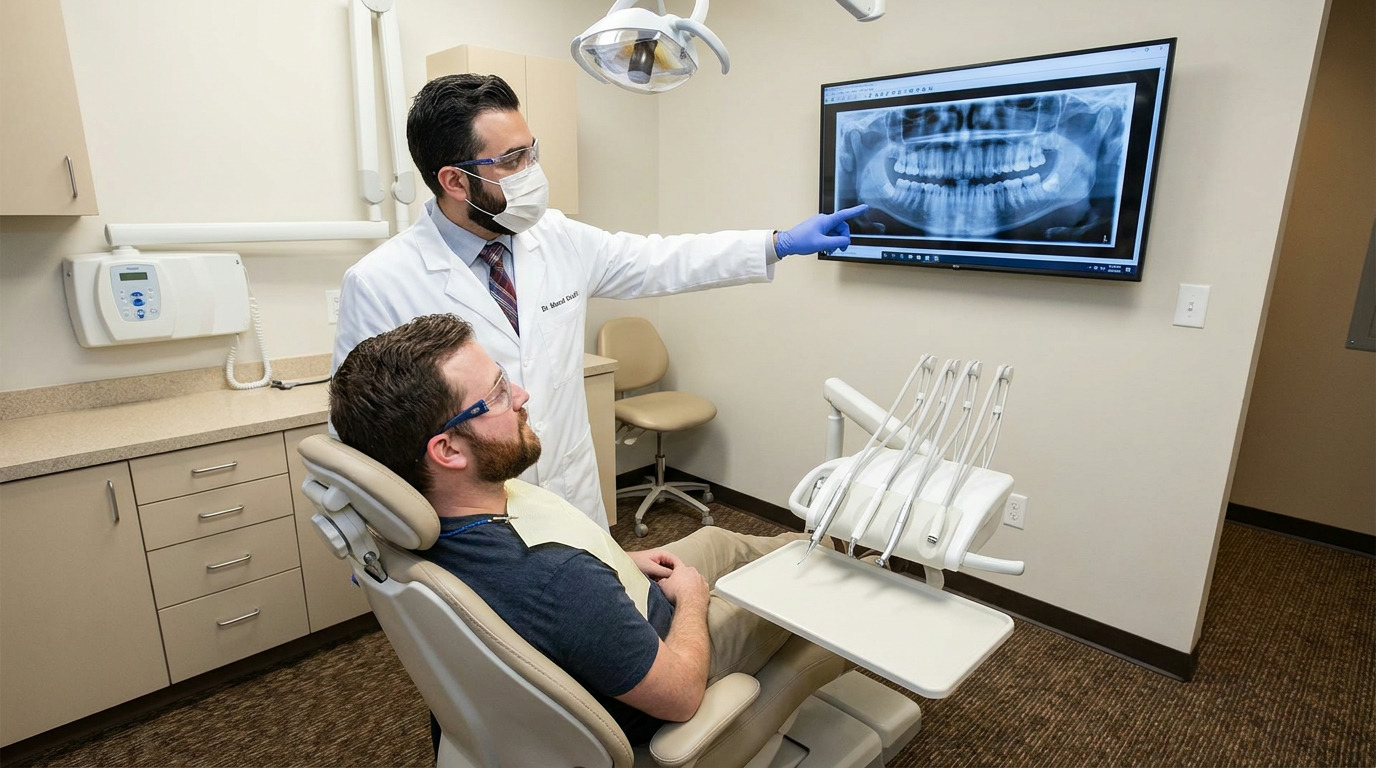

A dentist in a white lab coat, mask, and safety glasses points to a dental X-ray on a wall-mounted monitor while a patient in a dental chair, wearing safety glasses and a bib, looks on.

How Often Are Dental Cleanings Needed?

Most dental professionals recommend a professional dental cleaning every six months, or twice a year, for adults with good general oral health. This consistent schedule allows Dr. Marcel Kroni's team to proactively monitor your mouth for any changes and address issues before they escalate. For Logan, this six-month guideline was the baseline he remembered, but he wondered if certain factors might alter that.

Indeed, some individuals may benefit from more frequent visits, perhaps every three or four months. This often applies to those with specific risk factors or pre-existing conditions. Dr. Marcel Kroni often explains that these recommendations are highly personalized based on individual needs.

  • Gum Disease History: Patients who have battled gingivitis or periodontitis often require more frequent cleanings to manage the condition.
  • Compromised Immune System: Individuals with certain health conditions or medications might need closer monitoring of their oral health.
  • Smoking Habits: Smoking significantly increases the risk of gum disease and other oral health problems, necessitating more frequent visits.
  • Poor Oral Hygiene: If daily brushing and flossing habits are inconsistent, buildup occurs faster, requiring more regular professional intervention.
A calendar page with several dates circled in red, including the 14th, sits next to a white appointment card for C. Patrick Gray DDS, held by a metal clip on a white desk.

Are Your Gums Bleeding or Sore?

One of the most noticeable and concerning signs that a dental cleaning is overdue is bleeding or tender gums. Healthy gums typically do not bleed during brushing or flossing, so any blood observed is a clear indicator of inflammation or irritation. This can signify the early stages of gingivitis, which is usually reversible with proper care. Logan had noticed a tiny bit of pink when he brushed recently and dismissed it, but now he realized it might be a significant signal.

Persistent gum soreness, redness, or swelling are also red flags that should not be ignored. These symptoms suggest an accumulation of plaque and tartar along the gum line, which irritates the delicate gum tissue. Ignoring these signs can lead to more advanced forms of gum disease. Dr. Marcel Kroni always encourages patients to report any gum discomfort immediately.

  • Plaque Buildup: A sticky film of bacteria called plaque constantly forms on teeth and, if not removed, hardens into tartar.
  • Gingivitis Onset: Plaque and tartar irritate the gums, leading to inflammation, redness, and easy bleeding.
  • Potential Progression: Untreated gingivitis can advance to periodontitis, which is a more severe infection that damages bone.
  • Intervention Needed: Professional cleanings remove the irritants, allowing the gums to heal and reduce inflammation.
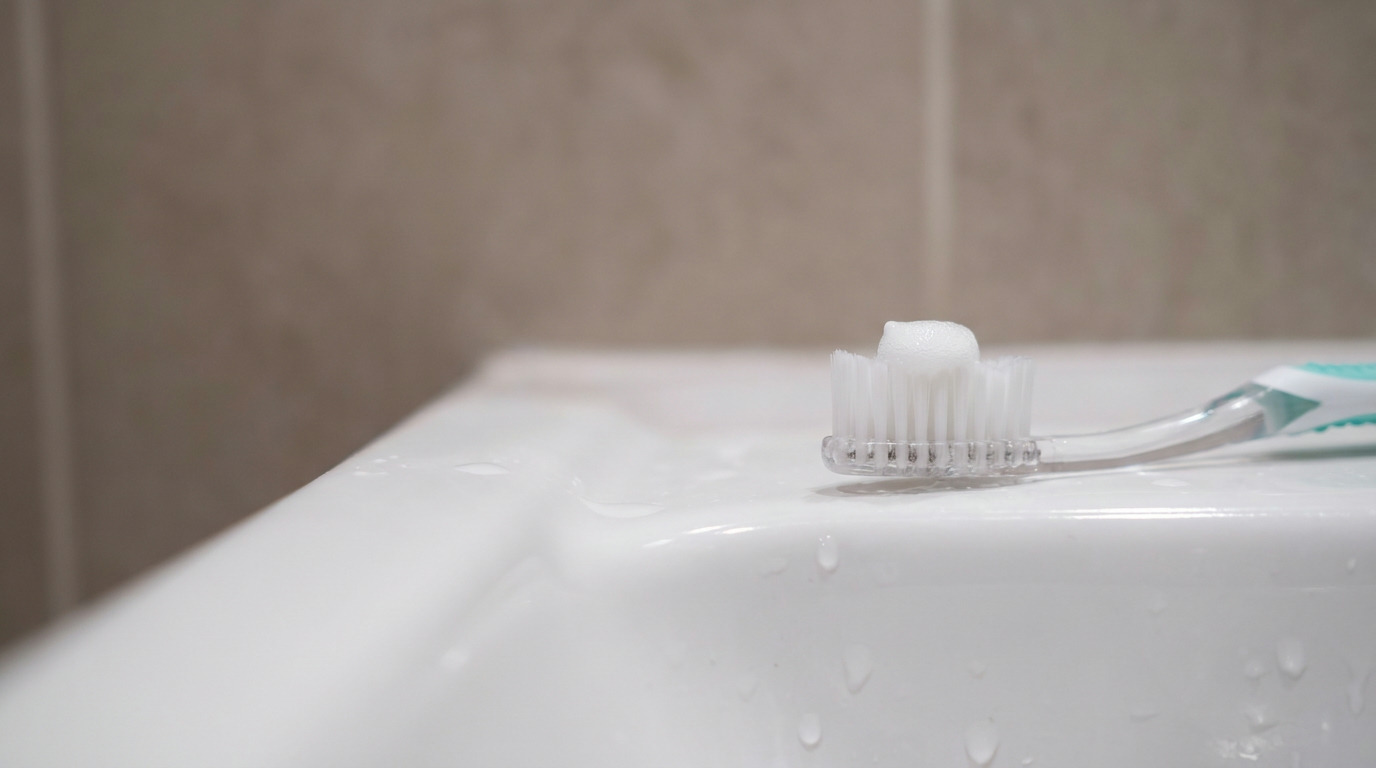
A toothbrush with white toothpaste on its bristles rests on a wet white sink, with a blurry light brown tiled wall in the background.

Do You Have Persistent Bad Breath?

While occasional bad breath can stem from diet or morning breath, persistent halitosis, even after brushing, is often a sign of underlying oral health issues. This stubborn bad breath, which simply doesn't go away, can be a direct result of bacteria accumulating in your mouth.

These bacteria produce volatile sulfur compounds, leading to an unpleasant odor. Logan had been trying various mouthwashes lately, feeling self-conscious about a lingering odor he couldn't quite place. He hadn't connected it to his cleaning schedule until now. Dr. Marcel Kroni explains that plaque and tartar create ideal environments for these odor-causing bacteria to thrive.

A professional cleaning removes these bacterial havens, significantly improving breath freshness. It's an important indicator that your oral hygiene routine might not be sufficient to combat the bacterial load. Addressing this quickly can prevent social awkwardness and more serious dental problems.

A clear glass of water with white residue and cloudy swirls sits next to a white tube on a light bathroom counter with a sink and window in the background.

Schedule Your Next Cleaning

Don't wait for dental problems to arise. If you've noticed any of these signs or if it's simply been a while since your last visit, C. Patrick Gray DDS is ready to help. Our team provides comprehensive dental cleanings and exams to keep your smile healthy. Contact us today to book your appointment and experience the difference professional care can make for your oral health.

Is There Tartar or Stains Visible?

Directly observing tartar buildup or noticeable stains on your teeth is a definitive sign that a professional cleaning is needed. Tartar, also known as calculus, is hardened plaque that appears as a rough, yellowish or brownish deposit, often near the gum line. It cannot be removed by brushing or flossing alone. Logan peered closely at his teeth in the mirror, noticing a slight discoloration on the back of his lower front teeth.

These deposits not only look unsightly but also provide a rough surface for more plaque to adhere to, creating a vicious cycle of buildup. Stains, often caused by coffee, tea, red wine, or tobacco, also accumulate on the tooth surface. Dr. Marcel Kroni and his team use specialized tools during a cleaning to meticulously remove these hardened deposits and surface stains, restoring the smooth surface of your teeth.

  • Tartar Formation: Plaque hardens into calculus, which is too stubborn for a toothbrush to remove.
  • Surface Discoloration: Dark beverages and certain foods can leave unsightly stains on tooth enamel.
  • Rough Texture: Tartar creates a porous surface that attracts even more bacteria and food particles.
  • Professional Removal: Only dental instruments can effectively scrape away hardened tartar and polish away stains.
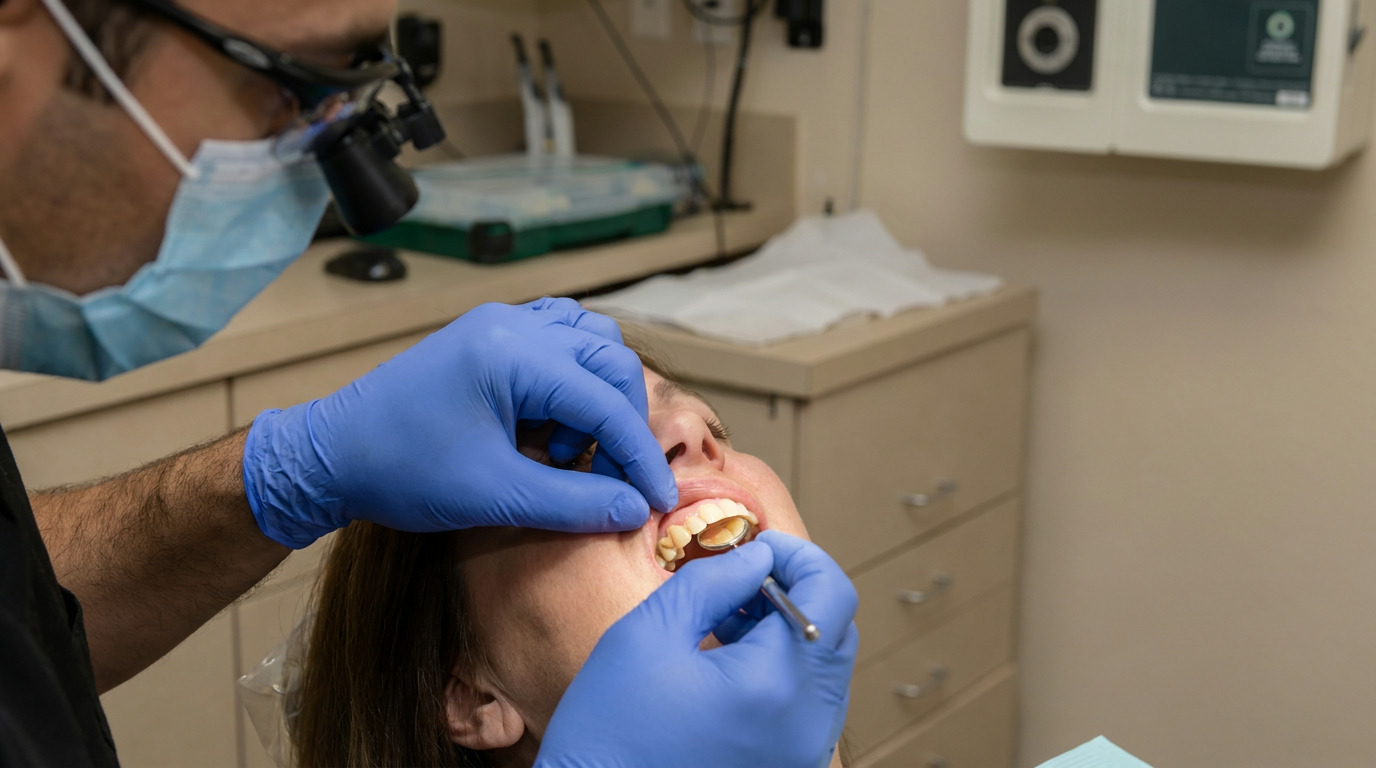
A dentist wearing a face mask and loupes examines a patient's open mouth with gloved hands and a dental mirror, revealing the lower teeth and gums.

Do Your Teeth Feel Fuzzy or Rough?

The feeling of your teeth can offer surprisingly insightful clues about your need for a cleaning. If your teeth feel less smooth than usual, or if you notice a persistent "fuzzy" or "gritty" sensation even after brushing, it's often an indicator of plaque buildup.

This texture is the bacterial film actively accumulating on your enamel. Logan had dismissed this feeling as just needing to brush harder, unaware of its true significance. Healthy, clean teeth should feel remarkably smooth when you run your tongue over them. Dr. Marcel Kroni often explains that this smoothness is crucial because it makes it harder for bacteria to latch on.

When plaque is allowed to accumulate, it creates a rougher surface, acting like Velcro for food particles and additional bacteria, accelerating the formation of tartar. This sensation is a subtle but important warning from your mouth that your home care is no longer enough. Addressing it promptly with a professional cleaning can prevent the progression to more serious issues like cavities or gum inflammation.

A person with a clean tongue running along their upper front teeth, wearing a tan shirt, with a blurred background.

When Should You See the Dentist?

Beyond the six-month benchmark, you should schedule an appointment with Dr. Marcel Kroni at C. Patrick Gray DDS whenever you notice any of these warning signs. Proactive care is always the best approach to maintaining excellent oral health and avoiding more extensive treatments.

Delaying a cleaning can allow minor issues to become much larger problems, potentially requiring more complex interventions. Logan recognized that his vague unease was justified. It's important not to wait until pain or significant discomfort arises before seeking professional help. Regular check-ups and cleanings are truly preventive dental care in action.

Even if you practice diligent home care, a professional eye can spot things you might miss. Dr. Marcel Kroni's team can identify early signs of cavities, gum disease, or even other health issues reflected in your mouth.

  • Bleeding Gums: Any blood during brushing or flossing is a clear signal for a check-up.
  • Persistent Odor: If bad breath doesn't improve with brushing, it suggests underlying bacterial issues.
  • Visible Tartar: Rough, discolored deposits on teeth cannot be removed at home.
  • Dental Sensitivity: New or increased sensitivity to hot or cold could indicate an issue needing attention.
  • Pain or Discomfort: Any toothache or gum pain warrants an immediate dental evaluation.
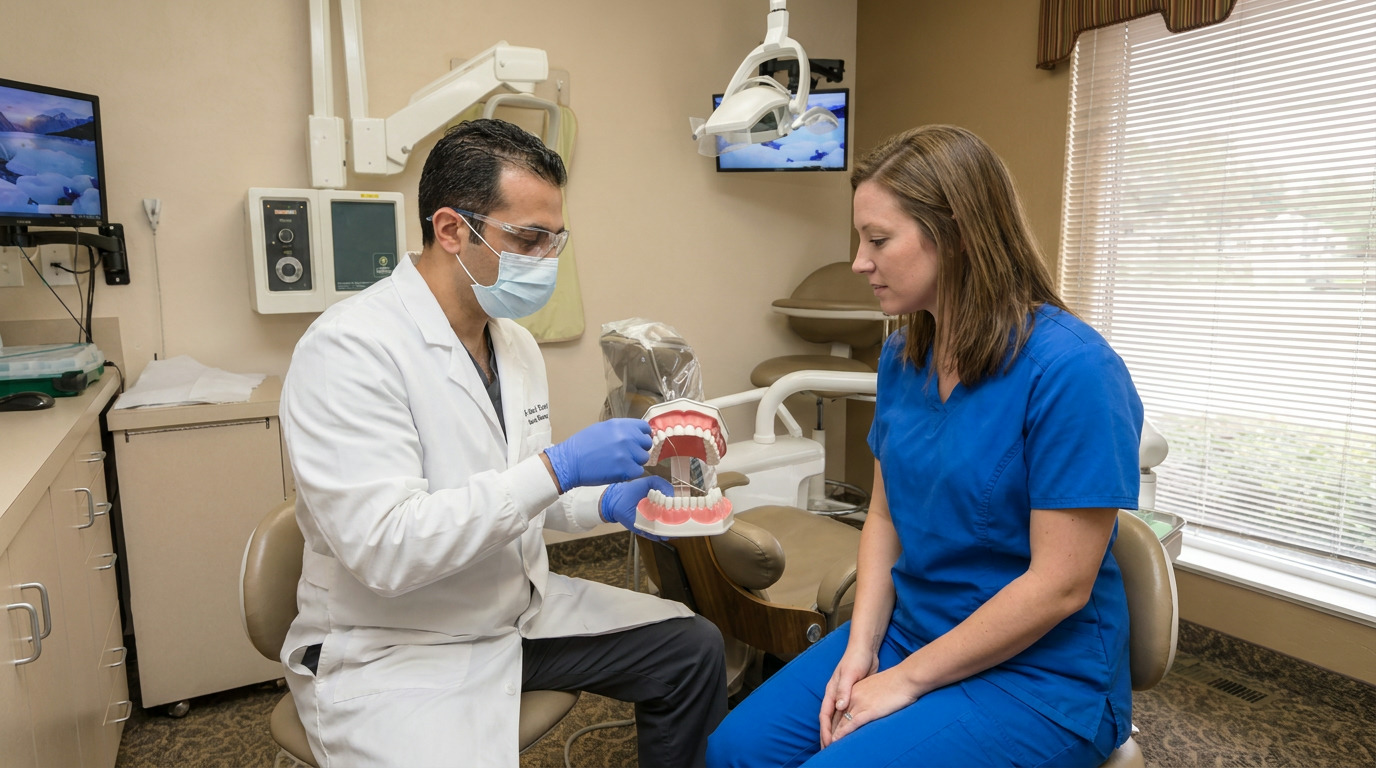
Dr. Marcel Kroni, wearing a lab coat, mask, and gloves, demonstrates flossing on a dental model to Megan, who is seated in blue scrubs in a dental office with equipment and a window.

Embrace a Healthier Smile

Understanding the subtle and not-so-subtle cues your mouth gives you is a powerful step toward maintaining optimal oral health. Regular professional cleanings are not just about aesthetics; they are fundamental to preventing cavities, stopping gum disease, and even safeguarding your overall systemic health.

Dr. Marcel Kroni consistently stresses that these routine visits are a cornerstone of preventive care. Logan took all these signs to heart. He immediately called C. Patrick Gray DDS to schedule his cleaning, feeling a sense of relief to be proactive.

During his visit, Dr. Marcel Kroni confirmed that while Logan's home care was generally good, some tartar had indeed accumulated, particularly in hard-to-reach areas. The cleaning left Logan's teeth feeling incredibly smooth and refreshed, and the mild gum irritation he'd experienced quickly subsided.

He committed to scheduling his follow-up appointment promptly, recognizing that listening to his body, and trusting his dental team, was the best way to keep his smile healthy and bright for years to come.

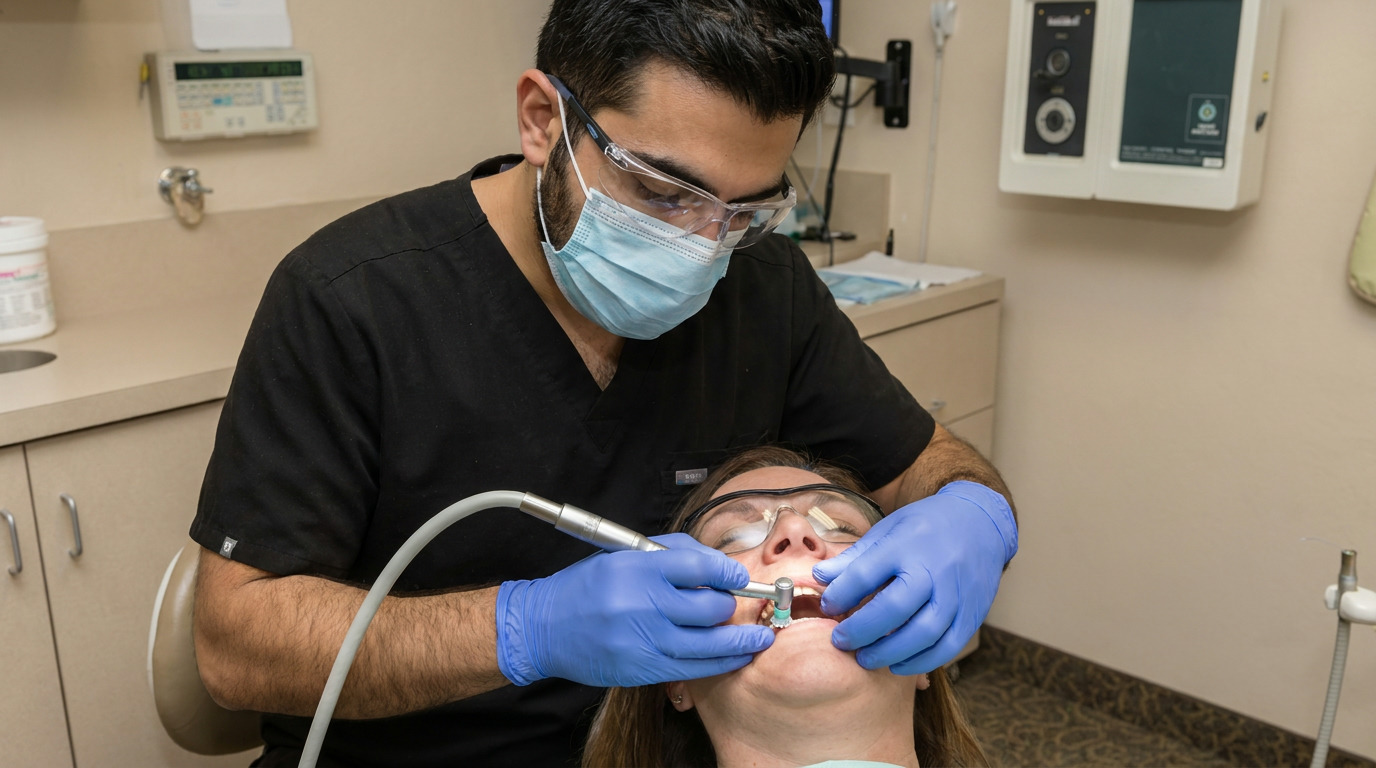
Dr. Marcel Kroni, wearing a black scrub top, blue mask, and safety glasses, uses a polishing tool to clean a patient's teeth while the patient wears protective eyewear in a dental office.
Categories:
No items found.

Frequently Asked Questions

1. What does a dental cleaning actually remove?
A professional dental cleaning removes plaque, a sticky film of bacteria, and tartar (calculus), which is hardened plaque that brushing cannot remove. It also polishes away superficial stains from the tooth surface.

2. How long does a typical dental cleaning take?
A standard dental cleaning appointment at C. Patrick Gray DDS typically takes between 45 to 60 minutes. This allows sufficient time for thorough plaque and tartar removal, polishing, and a brief examination by Dr. Marcel Kroni.

3. Is a dental cleaning painful?
Most dental cleanings are not painful, though some individuals may experience mild discomfort or sensitivity, especially if significant tartar buildup or gum inflammation is present. Dr. Marcel Kroni's team works gently and can provide comfort measures.

4. Can I skip brushing if I get frequent cleanings?
Absolutely not. Professional cleanings are a complement to daily oral hygiene, not a replacement. Brushing twice a day and flossing daily remain essential for removing food particles and plaque between appointments.

5. What happens if I don't get regular cleanings?
Neglecting regular cleanings allows plaque and tartar to accumulate, significantly increasing your risk of developing cavities, gingivitis, and more serious forms of gum disease like periodontitis, which can lead to tooth loss.

6. Does dental insurance cover cleanings?
Most dental insurance plans offer significant coverage for routine preventive care, including two dental cleanings per year. It's always best to check with your specific insurance provider for details on your plan's benefits.

Schedule Your Appointment

Ready to take the next step? Contact C. Patrick Gray, DDS. in Flint to book your visit.

  • When You Can Visit

    Monday: 8:00 AM – 5:00 PM

    Tuesday: 8:00 AM – 5:00 PM

    Wednesday: 8:00 AM – 5:00 PM

    Thursday: 8:00 AM – 5:00 PM

    Friday: 8:00 AM – 2:00 PM

    Saturday: Closed

    Sunday: Closed

  • Speak With Our Team

    (810) 732-0200
  • Find Us Here

    G3222 Beecher Rd, Flint, MI 48532

Thank you for booking your appointment!

We've received your request and will contact you soon to confirm the details. We look forward to seeing you at C. Patrick Gray, DDS.

Oops! Something went wrong while submitting the form.

Stay Informed with Expert Insights & Tips About Dental Care

9.2.2026

Dental Exam X-Ray Insurance Coverage Explained

Logan sits at a wooden desk, wearing a navy sweater, holding a phone to his ear with a concerned expression while looking at a laptop displaying a "Dental Insurance Policy" document. A coffee mug, papers, and pens are also on the desk.
9.2.2026

Understanding dental X-ray insurance coverage, including types, frequency, and factors affecting benefits, empowers patients to make informed decisions for their oral health.

9.2.2026

Spotting the Signs You Need a Dental Cleaning by C. Patrick Gray DDS

Maya stands at a kitchen sink, filling a silver water bottle from the faucet, with potted plants on the windowsill behind her. A blue floss pick rests on the wooden counter next to a dirty plate and a mug.
9.2.2026

Recognizing signs like bleeding gums, bad breath, or rough-feeling teeth indicates it's time for a professional dental cleaning to maintain oral health.

9.1.2026

Your Child's Dental Health Timeline Explained

Jacob, wearing a teal linen shirt, stands in a kitchen holding a white toothbrush and a tube of toothpaste, looking at the camera.
9.1.2026

Ensure your child's dental health journey starts strong with C. Patrick Gray DDS, from first tooth to lifelong healthy smiles.

SPECIALS

Your Best Smile Starts {{si}}Today{{/si}}

IMPLANTS
 $ 2,750
Everything Included: Implant + Abutment + Crown
BRIDGES
Starting at:
$ 2,200
CLEAR ALIGNERS
$ 4,000
24-month financing available
$ 167/month
Retainers included
OUR LOCATION

Get Directions to Our Dental Clinic in Flint, MI