1. How long do dental implants take to heal?
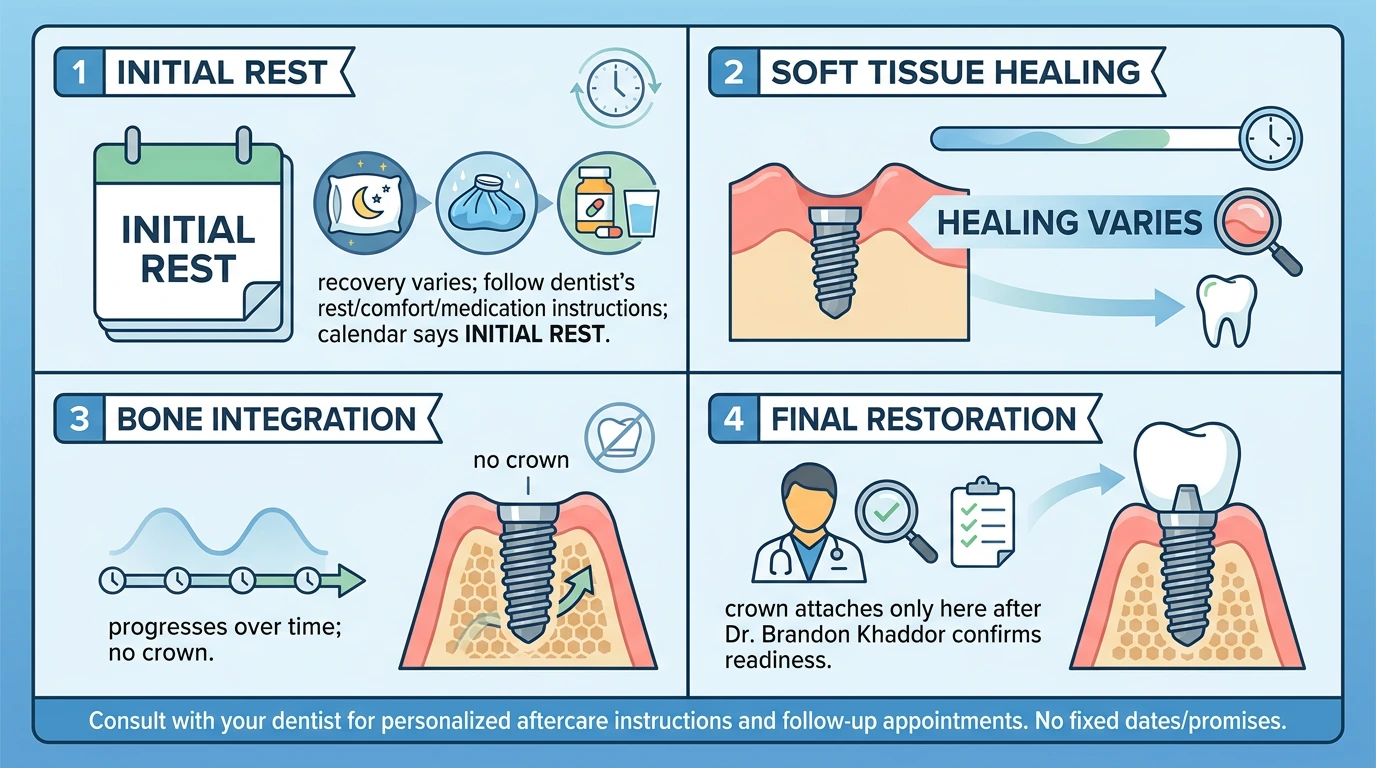
Healing time varies with the procedure and individual health. Gum tissues heal before the deeper bone integration process is complete, which often takes several months. Follow your dental team's advice on diet, activity, and follow-up visits; restoration readiness requires an individual assessment.
2. Are dental implants noticeable when smiling or talking?
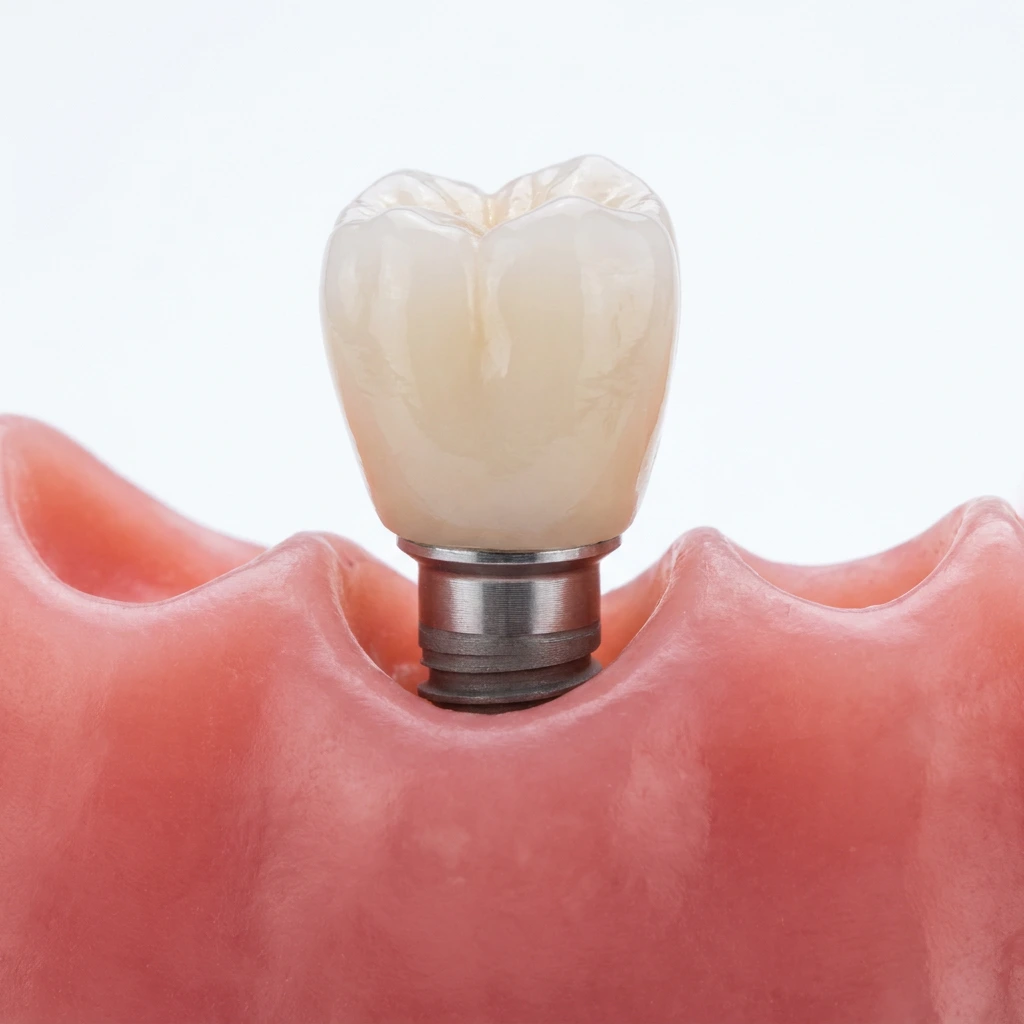
Modern dental implants blend naturally with existing teeth because custom crowns can be matched to your natural tooth shade and shape. Dr. Brandon Khaddor designs each restoration to emerge naturally from the gumline, allowing you to laugh, speak, and smile with confidence.
3. Is dental implant placement a painful procedure?
The placement procedure is carefully planned with local numbing and gentle techniques to keep you comfortable throughout the visit. Soreness, swelling, and recovery needs vary. Your dental team will explain comfort measures and when to contact the office about persistent, worsening, or unexpected symptoms.
4. Can smokers receive dental implants safely?
Smoking does not automatically disqualify a patient, but nicotine use slows blood circulation and can increase the risk of delayed healing or implant complications. Dr. Brandon Khaddor evaluates each patient's medical history thoroughly and typically advises pausing smoking before and during the osseointegration phase to protect bone stability.
5. How do I clean and care for a dental implant?
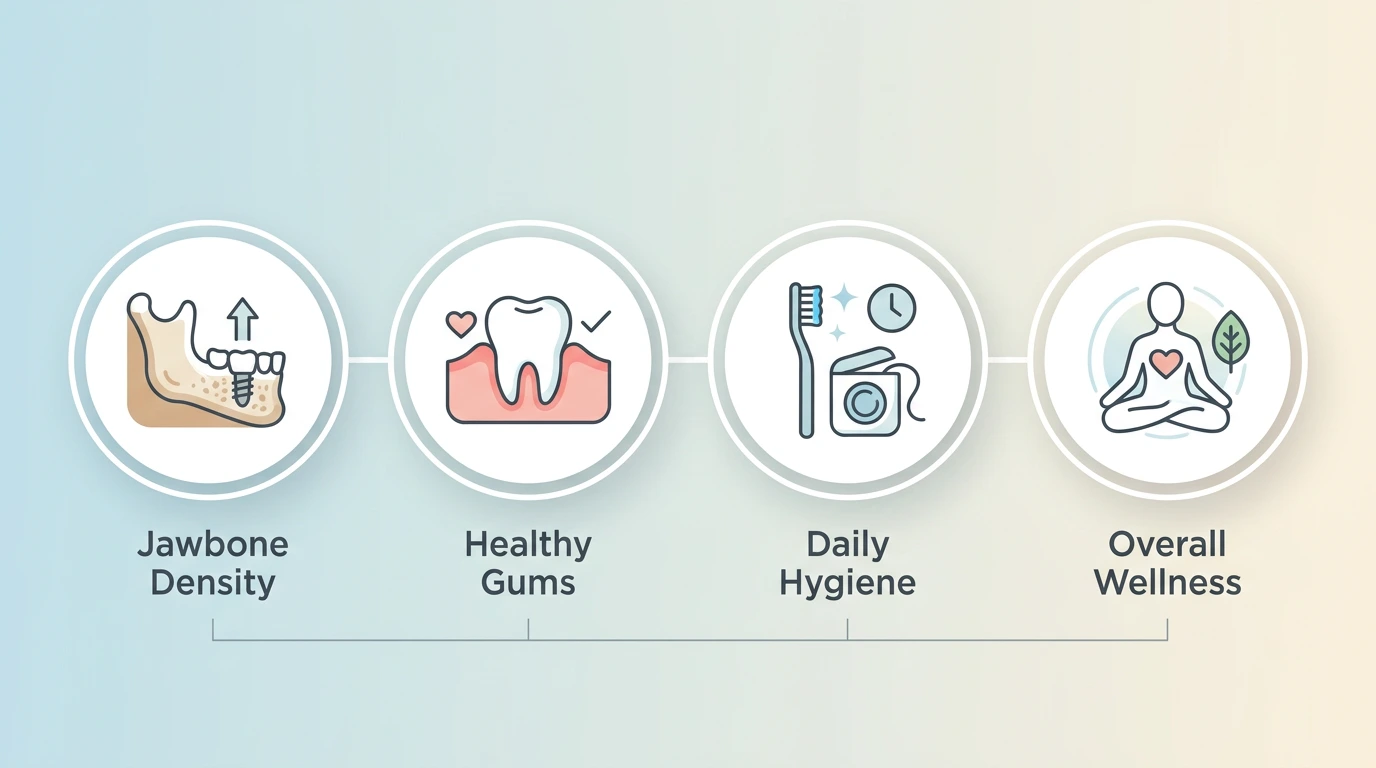
Brush twice daily with a soft-bristled toothbrush and clean around the restoration using the method your dental team recommends, which may include floss or other cleaning aids. Regular preventive exams and dental cleanings at C. Patrick Gray DDS help ensure that the surrounding gum tissue remains healthy and free of harmful plaque accumulation.
6. What happens if I lack enough jawbone for implants?
If your jawbone has thinned following tooth loss, modern bone grafting procedures can rebuild the necessary volume and strength prior to implant placement. During an initial exam, modern imaging helps Dr. Brandon Khaddor determine whether bone enhancement is needed to establish a sturdy foundation for your restoration.